




Wild Elephant Population in Garo Hills Rising, Over 50 Human Deaths Reported
Wild elephant population in Garo Hills rising significantly, bringing with it an alarming rise in deadly human-elephant conflicts. According to Bangladesh’s Forest Department, over 50 elephant calves have been born in the past two years in the Garo Hills of Sherpur district, near the Bangladesh-India border. Previously home to around 100-120 elephants, the region now hosts an estimated 170 to 180 elephants.
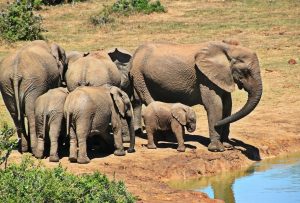
Officials state that the area has become a favorable breeding ground due to deep forests and safe shelter. In 2025 alone, nearly 50 elephant calves were born. Drone footage captured a herd of 34 elephants with 8 to 10 calves.
RelatedPost



The Balijhuri Range in Sreebardi upazila currently hosts three distinct elephant herds. Each herd contains about 30 to 35 elephants and 7 to 8 calves. Since 2014, the Forest Department has planted food-friendly trees over 500 hectares, helping reduce food scarcity and supporting the elephant population boom.
Conflict Turning Deadly


However, the growing human-elephant conflict is proving deadly. From 2014 to 2025, at least 53 people have been killed by elephant attacks in the Garo Hills areas of Mymensingh, Netrokona, Jamalpur, and Sherpur districts. Sherpur alone accounts for 25 to 30 of these deaths.


In contrast, 32 elephants have died at the hands of humans during the same period, 27 to 28 of them in Sherpur. Two cases—in Sreebardi (2021) and Nalitabari (2025)—have led to formal lawsuits under Bangladesh’s Wildlife (Conservation and Security) Act.
Mitigation Efforts Underway
According to Range Officer Abdul Karim of Rangtia, the Forest Department is collaborating with local authorities and communities to conduct awareness campaigns and avoid deadly encounters. Villagers are working strategically to repel elephants without triggering fatal violence.
Nalitabari UNO Md. Ashraful Alam Russell said the government is compensating victims: BDT 300,000 for families of the deceased, BDT 100,000 for injuries, and BDT 50,000 for crop damage.
A Double-Edged Reality

While the wild elephant population in Garo Hills rising signals ecological resilience, it also brings major challenges to human safety, agriculture, and sustainable coexistence. Beyond tree plantations, the situation demands advanced monitoring technologies, more research, and heightened public awareness along the border.