



Families Blame Security Forces for Gopalganj Shooting Victims’ Deaths
Gopalganj shooting victims were buried without postmortem as the families of the deceased alleged they were shot dead by law enforcement. Despite the violent unrest that rocked Gopalganj, no official autopsy or inquest reports were conducted before the burial of four young men.
Among the deceased, garment trader Dipta Saha was cremated on Wednesday night at the municipal crematorium. Tile mason’s assistant Ramzan Kazi was buried after the Isha prayers the same evening. Mobile phone trader Sohel Rana and crockery shop employee Imon Talukder were laid to rest on Thursday morning at the municipal cemetery.

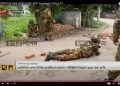
Wednesday turned Gopalganj’s Poura Park and launch terminal area into a battlefield as a result of clashes centering an unauthorized rally organized by the unregistered National Citizen Party (NCP), allegedly under government protection. At least four were confirmed dead in official sources, but unofficial reports suggest the death toll may exceed 11. Over 100 were injured, including nine with gunshot wounds.
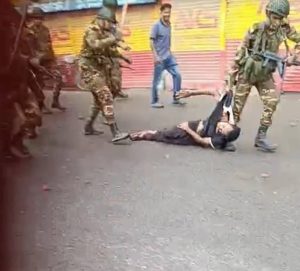
Rumors, widely believed to be government-driven, claimed that Awami League and Chhatra League activists vandalized structures and vehicles. However, credible sources assert that NCP activists — supported by the military — had intended to desecrate the ancestral home and mausoleum of Bangabandhu Sheikh Mujibur Rahman in Gopalganj, similar to the Dhanmondi 32 attack. Locals resisted, triggering a violent backlash. Eyewitnesses claim law enforcement and army members opened fire indiscriminately on unarmed citizens.
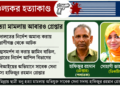
The deceased were identified as:

- Ramzan Kazi (19) of Harinahat village, Kotalipara
- Sohel Rana (35) of Shanapara
- Dipta Saha (30), son of Santosh Saha, Udayan Road
- Imon Talukder (24) of Bherar Bazar
Families assert all four were shot dead by police or military bullets. Hospital officials confirmed visible bullet wounds on all victims.
Dr. Jibitesh Biswas, Superintendent of Gopalganj General Hospital, confirmed receiving four bodies and said three seriously injured individuals had been referred to Dhaka. Dhaka Medical College sources later confirmed the admission of Sumon Biswas, a driver who sustained bullet wounds in his abdomen and fingers.
The Gopalganj massacre highlights Bangladesh’s deteriorating law and order. Critics allege that under the current regime and military backing, peaceful dissent is being crushed through arbitrary arrests, extrajudicial killings, and absolute impunity. Human rights groups have largely remained silent, prompting citizens and activists to call for international intervention, resignation of the unelected government, and trial of Yunus and Army Chief Waqar.


Gopalganj shooting victims were laid to rest without justice. As the country faces a crisis of accountability, demands for international action continue to grow.
📢 Call to Action:
Raise your voice for justice! Demand an independent investigation into the Gopalganj shooting victims’ deaths and hold those responsible accountable. Share this report and stand against state-backed violence.