



Gopalganj NCP Rally Clash Triggers Shock: Official and Unofficial Death Toll Mounts
Gopalganj NCP Rally Clash has turned deadly, with at least four people officially confirmed dead and over 100 injured—many with gunshot wounds—as military forces allegedly opened fire on participants. Families of the victims claim that the deaths were caused by army gunfire, raising serious questions about the government’s intentions and law enforcement conduct.
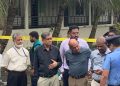
Dr. Jibitesh Biswas, Superintendent of Gopalganj 250-Bed General Hospital, told BBC Bangla around 6:45 PM that four bodies had arrived at the hospital following the violence. Earlier in the day, he had confirmed the deaths of Dipto Saha (25) and Ramzan Kazi (18), both shot during the clashes. At least nine others were brought in with bullet injuries.
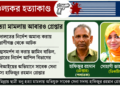

A third victim, Sohel Rana Molla (30) of Tungipara, was reported dead from various sources, but Joy Banglar Joy could not independently verify the information.
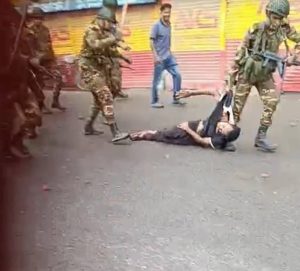
Another critically injured victim, Suman Biswas (20), was admitted to Dhaka Medical College Hospital’s emergency department around 6:45 PM. He sustained gunshot injuries during the clashes in Mohammadpara of Gopalganj Sadar.


In response to the Gopalganj NCP Rally Clash, the interim government imposed a strict curfew from 8:00 PM Wednesday to 6:00 PM Thursday, as announced by the Press Wing. Prior to that, Section 144 had already been enforced in Gopalganj to control the deteriorating law and order situation.
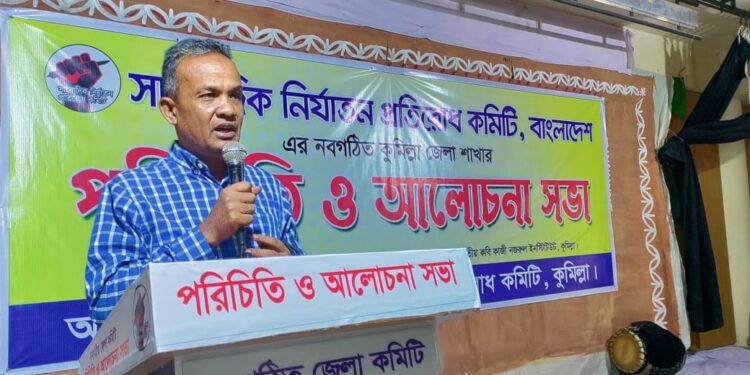
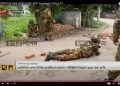
The violence began after the NCP rally concluded. On their way back near the Launch Terminal area, NCP leaders and supporters were attacked by members of the banned Awami League, Chhatra League, and Jubo League. Gopalganj quickly turned into a war zone, with even police and military vehicles being targeted in the chaos.

Another wave of violence took place around 1:30 PM, just before the rally started at the municipal park stage, further escalating tensions.
Top NCP leaders sought refuge at the Superintendent of Police’s office and were later evacuated by army forces.
Nationwide protests erupted following the attack. The Anti-Discrimination Student Movement called for a blockade program, blocking roads and highways across the country.
BNP Secretary General Mirza Fakhrul Islam Alamgir condemned the attack, calling it “heinous” and demanded punishment for those involved. He accused government forces of orchestrating the violence, stating, “There is no rule of law in Bangladesh anymore. The regime is deploying mobs to destroy the country.”

Gopalganj NCP Rally Clash marks a grave escalation of political violence in Bangladesh, triggering national condemnation, curfews, and a growing sense of fear and outrage among the public.