




Cumilla Waterbody Encroachment 2025 is sparking growing concern among citizens. In the name of urban development, natural water bodies, ponds, and canals are being filled up across Cumilla. Residential buildings and government projects are rising—most without clearance from the Department of Environment (DoE), threatening the ecological balance.
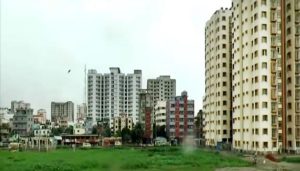
Once home to migratory birds, Kaliajuri in Cumilla now hosts high-rise buildings. The housing project for prison guards is progressing without any environmental clearance. Locals complain of frequent waterlogging and demand a deep drainage system.



Renowned poet and ex-commissioner Zahirul Haque Dulal laments the loss of the Racecourse wetland, which once absorbed monsoon rains. The project, under the Public Works Department, received approval despite lacking DoE permission.
The Lascar pond in Sahapara has also been filled. Under the shelter of local influentials, illegal homes and buildings have mushroomed, putting local ecology at risk. Residents do not want to see such destruction repeated.


In the last 14 years, dozens of water bodies have been filled, while the DoE has filed only 8 cases—none effectively resolved. Shockingly, the department lacks an official list of Cumilla’s waterbodies. Groundwater and biodiversity now face serious threats.


Deputy Commissioner Md. Amirul Kaisar stated that he intervened in several attempts to fill waterbodies—even by government bodies. He emphasized enforcing laws to protect these resources for future generations.
Cumilla Waterbody Encroachment 2025 raises the critical question: who benefits from development that destroys nature? Without urgent intervention, Cumilla is headed toward an irreversible environmental crisis.