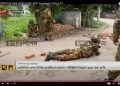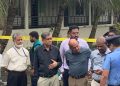




Media Freedom in Bangladesh has come under severe international scrutiny following the interim government’s actions in the past year. A series of decisions taken by the new administration has sparked global outcry, with the erosion of press freedom emerging as one of the most alarming concerns.
On August 1, the Committee to Protect Journalists (CPJ) published a damning report criticizing the government’s failure to protect journalists. It stated, “Bangladesh’s leader promised reform, yet journalists are in jail.” UNESCO, during the World Press Freedom Day event in Dhaka on May 4, echoed similar concerns, highlighting censorship, financial pressure, legal threats, and impunity for crimes against journalists.
Local reporters like Saifullah Kamrul from Noakhali and Akhtar Faruk Shaheen from Barishal described harassment and life-threatening risks during their day-to-day work. Dr. Susan Vize, Head of UNESCO Dhaka, said these systemic issues must be addressed to create a future where journalists can work without fear.
A separate report released on the same occasion revealed that within the first eight months of the interim government, at least 640 journalists were targeted—182 faced criminal cases, 206 were assaulted, and 85 were investigated for alleged financial misconduct.
🔍 CPJ Details Chilling Accounts of High-Profile Detentions
CPJ’s report began by highlighting the case of Farzana Roopa, a former journalist at Ekattor TV, who has faced multiple lawsuits, including one for murder. Denied legal aid, her bail applications have been ignored. Her husband, Shakil Ahmed—also a former head of news—remains in jail.
Veteran journalists Shyamal Dutta and Mozammel Haque Babu are also behind bars under similar charges. CPJ alleges that these arrests are politically motivated, driven by their past affiliations. Be Lei Wai Yee, CPJ’s Asia Program Coordinator, noted that imprisoning journalists without credible evidence weakens the government’s commitment to reform.
Families of the accused report extreme legal opacity—some haven’t even received copies of the FIRs, making bail impossible. When contacted, government spokespersons, including Chief Advisor’s press secretary and police officials, declined to respond.
🌍 Global Reaction: From Hope to Disappointment
UK-based geopolitical analyst Priyojit Deb Sarkar stated that expectations of a freer press following Dr. Muhammad Yunus’s rise have turned into bitter disillusionment. Despite Dr. Yunus’s previous criticism of the Digital Security Act, new restrictive laws under the guise of “digital safety” are silencing the press even more aggressively.
Numerous international rights organizations have documented growing assaults on journalists, including public attacks in Barisal, physical violence near Dhaka Reporters Unity, and even sexual assault, such as the gang rape of a female journalist on March 18.
In April, New Age’s Rafia Tamanna and Dainik Prantajan’s Sajedul Islam Selim were physically attacked, while Prothom Alo’s Rajshahi office was vandalized. Satkhira journalist Kamruzzaman was jailed for criticizing substandard government construction. In another alarming development, Rubel Hossain of Dhaka Mail was falsely implicated in a coup-related murder.


Deepto TV was forced off-air, and a journalist from ATN Bangla lost their job after questioning the advisor too sharply—though the government denied involvement in both cases.

Media Freedom in Bangladesh remains at a crossroads, with journalists under attack, laws weaponized, and international confidence rapidly eroding. Global watchdogs demand urgent reforms before press repression becomes irreversibly institutionalized.